

Thinking about keeping your caravan safe when it’s not out exploring? Or maybe you need to move it somewhere new? That’s a pretty common concern for caravan owners, and thankfully, there are some straightforward ways to handle both caravan storage and transport securely. It’s less about secret codes and more about making smart choices with your caravan’s well-being in mind.
When your caravan is parked up between adventures, keeping it safe from the elements and potential troublemakers is key. This isn’t just about stopping it from getting dusty; it’s about preserving its value and ensuring it’s ready to go when you are. Think of it like looking after any other significant investment – you want to give it the best chance to last.
Why Bother with Dedicated Storage?
You might be thinking, “Can’t I just leave it on my driveway?” While that’s an option, dedicated caravan storage offers a few significant advantages that can save you hassle and potentially money in the long run. It’s about peace of mind and proactive protection.
Theft Prevention: Beyond a Simple Lock
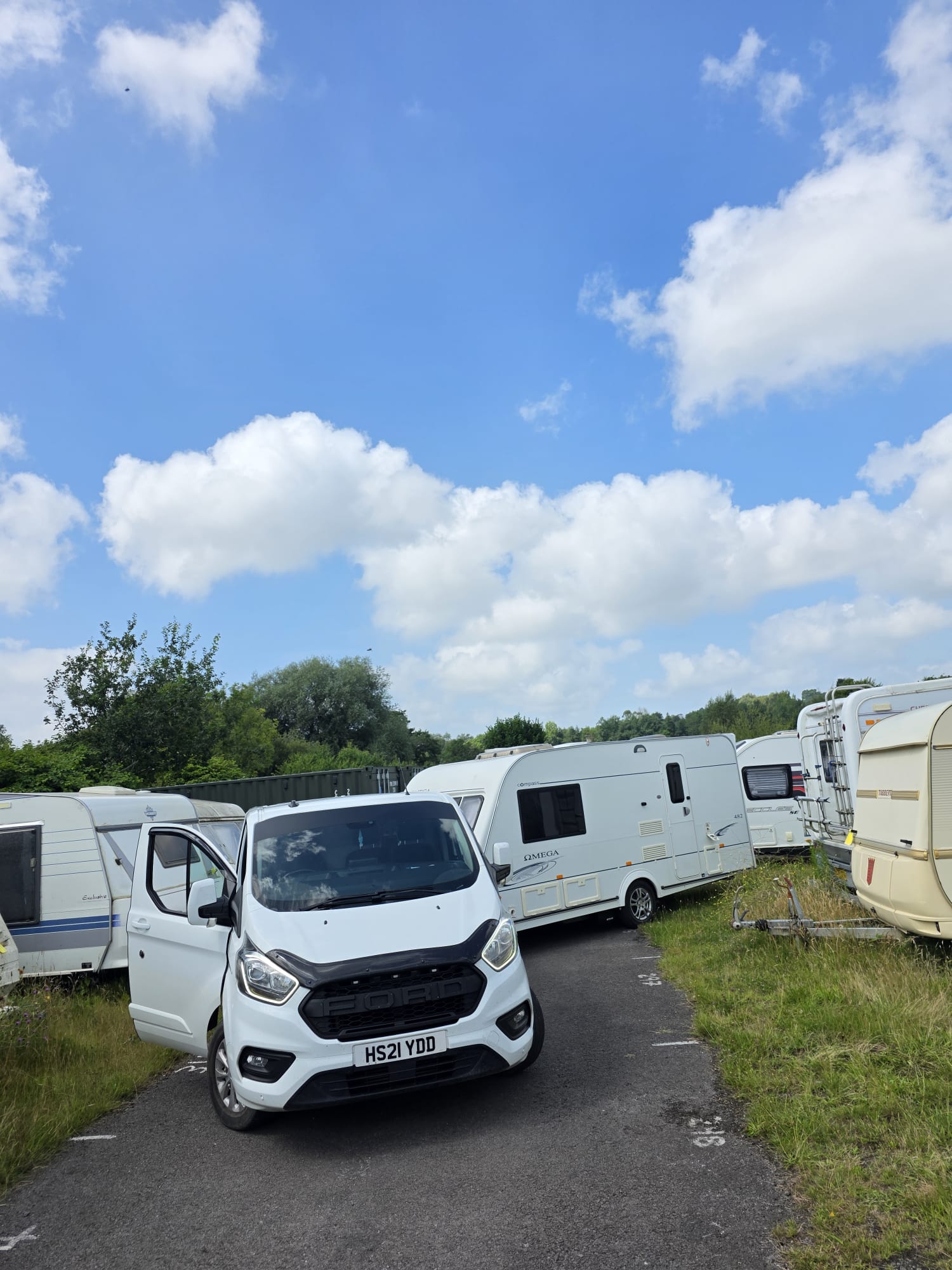
Let’s be honest, caravans can be targets for thieves. Dedicated storage facilities are designed with security in mind, often featuring things like:
- Perimeter Fencing: A good barrier around the site is the first line of defense.
- Gated Access: Controlled entry and exit means only authorized people are getting in.
- CCTV Surveillance: Cameras provide a deterrent and a record if anything does go wrong.
- Lighting: Well-lit areas make it harder for anyone to operate unnoticed under the cover of darkness.
- On-site Staff or Patrols: Human presence adds another layer of security.
These measures are generally more robust than what you can achieve at home, especially if your driveway isn’t particularly secluded or well-protected.
Weather Protection: Shielding Your Investment
Caravans are built to withstand the elements to a degree, but prolonged exposure can still take its toll. Think about:
- Sun Damage: UV rays can fade paintwork, degrade seals, and make plastics brittle over time.
- Rain and Snow: Constant dampness can lead to mould, mildew, and even rot in certain areas, especially if seals aren’t perfect. Water ingress can be a real headache.
- Hail: Large hailstones can cause dents and damage to the roof and bodywork.
- Bird Droppings and Sap: These can etch into the paintwork if left for too long.
Many storage facilities offer covered options, like barn storage or even indoor storage, which provide a significant level of protection against these environmental factors. Even outdoor, hard-standing pitches are usually more protected than a residential street.
Convenience and Maintenance
Beyond just security and weather, dedicated storage can also be convenient.
- Regular Checks: Some sites offer optional regular checks of your caravan, ensuring tyres are inflated, for example.
- Servicing Access: Many storage sites have partnerships with mobile caravan mechanics, making it easy to get your caravan serviced without having to tow it anywhere.
- Less Street Clutter: Keeping your caravan off your driveway or street frees up space and avoids potential disputes with neighbours or parking restrictions.
Types of Caravan Storage to Consider
Not all storage is created equal. Your needs will dictate which type is best for you.
Outdoor, Hard-Standing Storage
This is a common and generally more affordable option. Your caravan sits on a dedicated, often gravelled or paved, pitch.
- Pros: Cheaper than covered options, good airflow, usually plenty of space.
- Cons: Exposed to the elements, though often more secure than home storage.
Covered Storage (Carports, Barns)
This offers an extra layer of protection by shielding your caravan from direct sun, rain, and snow.
- Pros: Excellent protection from weather, often more secure than open pitches.
- Cons: Usually more expensive than outdoor storage.
Indoor Storage (Garages, Warehouses)
The premium option, offering the highest level of protection. Your caravan is housed within a building.
- Pros: Maximum protection from all elements, highest level of security.
- Cons: The most expensive option, access might be less frequent or require more notice.
What to Look for in a Storage Provider
When you’re choosing where to leave your caravan, do a little digging.
- Security Features: As mentioned above, check what measures they have in place.
- Accessibility: How easy is it for you to get to your caravan? Do you need to book in advance? What are their opening hours?
- Site Conditions: Is the site well-maintained? Are the pitches level? Is drainage good?
- Insurance: Does the provider have insurance for the site itself? What are their policies regarding damage to your caravan while in their care? You’ll still need your own comprehensive caravan insurance, but it’s good to know the site has some coverage too.
- Reviews and Reputation: What do other caravan owners say about the facility?
If you’re considering the best options for caravan storage and transport, you might find the article on effective caravan storage solutions particularly helpful. It covers various aspects of safely storing your caravan, including tips on choosing the right facility and preparing your vehicle for transport. For more information, you can check out the article here: Effective Caravan Storage Solutions.
Getting Your Caravan from A to B: Secure Transport Solutions
Moving a caravan, whether it’s to a storage site, a holiday pitch, or a new owner, requires careful planning and the right approach. It’s not just a matter of hitching up and driving off; safety and security are paramount throughout the journey.
The Basics of Towing a Caravan Safely
This is the most common way to transport a caravan, and it’s a skill that requires practice and adherence to rules.
Essential Towing Equipment
Before you even think about moving, make sure your equipment is up to scratch.
- Tow Ball and Hitch: Ensure they are compatible, in good condition, and securely attached.
- Breakaway Cable: This is a legal requirement and crucial for safety. It connects your caravan to your towing vehicle, so if the caravan detaches, its brakes will be activated.
- Lighting Board: Your caravan’s lights might not be visible when towed, so a separate lighting board is essential for indicators, brake lights, and tail lights.
- Tyres: Check your caravan and towing vehicle tyres for pressure, tread depth, and any signs of damage. Underinflated or damaged tyres are a major safety risk.
- Mirrors: Extension mirrors for your towing vehicle are often necessary to see past the caravan.
Understanding Weight Limits and Loading
This is where many people run into trouble. Overloading your caravan or exceeding your towing vehicle’s capacity is dangerous and illegal.
- MTPLM (Maximum Technically Permissible Mass): This is the maximum weight your caravan is allowed to be, fully loaded. Check your caravan’s handbook or chassis plate.
- Nose Weight: This is the downward force exerted by the caravan’s hitch onto the tow ball. It’s critical for stability and needs to be within the manufacturer’s recommended limits for both the caravan and the towing vehicle.
- Distribution of Load: Pack heavier items low down and over the caravan’s axles. This helps maintain stability. Avoid putting too much weight at the front or rear.
Driving Techniques for Towing
Towing is different from regular driving.
- Speed: Stick to lower speeds, especially on motorways. Many countries have lower speed limits for towing vehicles.
- Overtaking: Allow significantly more space and time. Remember you’re much longer and heavier.
- Cornering: Take corners wider and slower than you would in a car.
- Braking: Brake earlier and more gently. Allow for the extra stopping distance.
- Reversing: This is notoriously tricky. Get someone to guide you if you’re not confident. Practice in an empty car park.
- Wind and Buffeting: Be aware of passing vehicles, especially large trucks, which can create buffeting that affects your caravan’s stability.
Professional Caravan Transport Services
Sometimes, towing yourself isn’t an option, or perhaps you’re moving a caravan a long distance, or it needs to be transported overseas. This is where professional services come in.
Why Use a Professional Service?
- Expertise: They know how to handle caravans safely and efficiently.
- Equipment: They have specialized transporters and equipment.
- Insurance: Reputable services will have comprehensive insurance covering the transport of your caravan.
- Time-Saving: They take the stress and effort out of the process for you.
- Logistics: They can handle complex moves, including international shipping.
Types of Professional Transport
- National Transport: Moving a caravan from one location within a country to another. This often involves flatbed trucks or specialized towing rigs.
- International Shipping: This is a complex process involving sea freight, port handling, customs clearance, and onward transport. Companies specializing in this will manage all the paperwork and logistics.
- Haulage Services: If you’ve bought a caravan from a dealer a long way away, they might arrange haulage for you, or you can hire a third-party haulier.
What to Ask a Professional Transporter
- Insurance Coverage: What is the limit of their insurance? What happens if there’s damage?
- Experience: How long have they been transporting caravans? Do they have experience with your specific type of caravan?
- Method of Transport: How will they be moving it? On a trailer, flatbed, or a specialized vehicle?
- Timeline: When can they pick it up, and when can you expect delivery?
- Cost Breakdown: Ensure you understand all the charges involved.
Securing Your Caravan During Transit
Regardless of whether you’re towing or using a professional, securing the caravan itself is vital.
Pre-Transport Checks
Before any journey:
- Close and Lock: Ensure all windows, doors, roof vents, and cupboards are securely closed and locked.
- Empty Water/Waste Tanks: Travelling with full tanks adds significant weight and can affect stability. Empty them where legally permitted.
- Remove Loose Items: Anything not secured can shift during transit, potentially causing damage.
- Check Al-Ko (or similar) Locks: If you use an Al-Ko wheel lock or hitch lock for security when stationary, ensure they are removed before towing.
- Gas Bottles: Turn off the gas supply and, if possible, remove gas bottles for long journeys or international transport, as regulations can be strict.
Hitching and Coupling Security
- Correct Coupling: Ensure the caravan is correctly and securely attached to the tow ball.
- Handbrake Release: Remember to release the caravan’s handbrake.
- Breakaway Cable Attachment: Securely attach the breakaway cable to the towing vehicle’s chassis.
Protecting Your Caravan When It’s Not in Use: Essential Security Measures

Beyond just finding a secure storage spot, there are additional steps you can take to make your caravan less appealing to thieves and more resilient. Think of these as layers of protection.
Making Your Caravan a Harder Target
Thieves often look for the easiest opportunities. Making your caravan look like a difficult target can be a strong deterrent.
Physical Deterrents
These are tangible items that make stealing your caravan more effort.
- Wheel Clamps: A very visible and effective deterrent. They physically prevent the wheels from turning. Choose one that’s Sold Secure approved.
- Hitch Locks: These lock onto the caravan’s hitch, preventing it from being unhitched and coupled to another vehicle. Again, look for Sold Secure approval.
- Alarms: Modern caravans often come with alarms, but you can also retrofit them. These can be motion-sensitive, door-sensitive, or perimeter alarms.
- GPS Trackers: While not a deterrent, a tracker can be invaluable if your caravan is stolen. The sooner it’s located, the better the chance of recovery. Some are discreetly hidden.
- Stickers and Signage: Simply having visible signs that state your caravan is alarmed, clamped, or tracked can be enough to make a thief move on.
Making it Look Occupied (Even When Empty)
This is a common home security tactic that can also work for caravans.
- Timers for Lights: If your caravan is in storage with power access, use timers to switch internal lights on and off periodically, making it seem like someone is inside.
- Curtains/Blinds: Keep them in a natural position, not completely closed or wide open.
Routine Maintenance as a Security Measure
It might not seem obvious, but good maintenance plays a role.
Regular Inspections
- Tyre Condition: Flat or worn tyres can make a caravan look neglected and vulnerable.
- Bodywork: Dents or damage can also suggest a lack of upkeep.
- Seals and Windows: Ensure all seals are intact and windows are properly closed and locked. This prevents water ingress which can lead to deterioration.
Keeping it Clean
A clean caravan, even when stored, looks less appealing as a target for those looking for an easy score. It suggests the owner is attentive.
The Importance of Insurance
This isn’t a security measure in the sense of prevention, but it’s crucial for financial protection.
- Comprehensive Cover: Ensure your caravan insurance covers theft, damage, and third-party liability.
- Storage Clauses: Check your policy for any specific requirements regarding where your caravan is stored. Some policies might offer a discount if it’s stored in a secure, accredited facility.
- Update Details: Always inform your insurer of any security devices you fit, as this can sometimes reduce your premium.
Specialized Caravan Transport: Beyond the Tow Ball

While towing is the most common method, there are scenarios where you’ll need more specialized transport solutions. These are often for situations where self-towing isn’t feasible or desirable.
Moving Caravans That Can’t Be Towed
- Non-Operational Caravans: If a caravan has mechanical issues, damaged tyres, or is otherwise not roadworthy, it can’t be towed. It will need to be transported on a trailer or flatbed.
- Very Large or Unusual Caravans: Some larger models might exceed typical towing vehicle capabilities or general road regulations, requiring specialized haulage.
- Parked-Up Caravans: If your caravan is in a location where towing it out is difficult (e.g., a tight campsite spot, a very overgrown garden), a professional service can often maneuver it out.
The Role of Specialist Hauliers
These are companies whose core business is moving vehicles, including caravans, with precision.
- Equipment: They use a range of vehicles, from smaller trucks with winches to large, multi-car transporters, depending on the caravan’s size and weight.
- Maneuvering Capabilities: Many have skilled operators who can carefully maneuver caravans into tight spaces.
- Secure Winching: For caravans that can’t roll or are immobile, they have powerful winches to load them safely onto their transport.
International Caravan Movement
Shipping a caravan overseas is a significant undertaking, but well within the capabilities of specialized international logistics companies.
- Container Shipping: Caravans are often transported in shipping containers, either individually or sharing a container with other goods. This offers protection during the sea voyage.
- Ro-Ro (Roll-On/Roll-Off): For larger caravans, Ro-Ro is an option where the caravan is driven onto a specialized ferry vessel and secured.
- Customs and Documentation: International transport involves significant paperwork, including customs declarations, import/export licenses, and proof of ownership. Specialist companies will handle this for you.
- Insurance for Transit: Comprehensive marine and transit insurance is essential for international shipments to cover any eventualities during the long journey.
Cost Considerations for Specialized Transport
- Distance: This is usually the biggest factor.
- Type of Vehicle Used: A large flatbed will cost more than a smaller towing rig.
- Loading and Unloading Complexity: Difficult access or the need for winching will increase costs.
- Insurance: The level of insurance required will impact the price.
- Customs Fees (International): These can vary significantly by country.
When considering specialized transport, always get multiple quotes and ask detailed questions about the process, insurance, and any potential hidden costs.
When considering options for caravan storage and transport, it’s essential to explore various services that can meet your needs. A related article that provides insights into customer experiences with transport solutions can be found in the testimonials section of Total Transport Solutions. You can read more about it here, where you’ll discover how others have successfully navigated their caravan storage and transport challenges.
Combining Storage and Transport: Planning Your Caravan’s Journey
| Location | Capacity | Security | Accessibility |
|---|---|---|---|
| City A | 100 caravans | 24/7 surveillance | Easy access to highway |
| City B | 150 caravans | Fenced and gated | Near public transport |
| City C | 80 caravans | On-site security guard | Close to major roads |
Thinking about storage and transport together makes the whole process smoother and ensures your caravan is always protected, whether it’s on the move or stationary. It’s about creating a seamless experience for your caravan.
The Cycle of Caravan Ownership
Most caravan owners will experience a cycle:
- Using the Caravan: Enjoying holidays and adventures.
- Returning Home/To Storage: Needing to put it away safely.
- Preparing for Next Trip: Retrieving it from storage.
- Transporting to Destination: Towing or arranging professional transport.
- Setting Up: Arriving at a campsite or storage pitch.
Understanding this cycle helps in planning how to integrate secure storage and efficient transport.
Making Storage Work for Your Travel Plans
- Proximity to Home/Travel Routes: If possible, choose storage that’s convenient for your home or on a route you frequently travel. This saves time and mileage when you’re picking it up or dropping it off.
- Seasonal Storage: Many people use storage facilities for the off-season months. Ensure the facility can accommodate your timelines.
- “Ready to Go” Storage: Some facilities offer services where they can prepare your caravan for your next trip, such as checking gas levels, tyre pressures, or even a quick clean, saving you time when you collect it.
Logistics for Long-Term Storage and Subsequent Travel
If your caravan is going into long-term storage, plan its retrieval well in advance of your next trip.
- Booking: Give your storage provider sufficient notice that you’ll be collecting the caravan.
- Pre-Trip Checks: Schedule in time for you (or a mobile service) to do thorough pre-trip checks on the caravan after you’ve collected it from storage. This includes checking all systems, water, gas, and electrics.
- Towing Vehicle Readiness: Ensure your towing vehicle is serviced and ready to go.
The Role of Mobile Services
Mobile caravan services can bridge the gap between storage and transport.
- Servicing at Storage: Many mobile mechanics can visit your storage location to service your caravan, so you don’t have to tow it anywhere for routine maintenance.
- Pre-Purchase Inspections: If you’re buying a caravan from a distance, a mobile inspector can assess its condition at the seller’s location before you arrange transport.
- Emergency Repairs: If you encounter a problem while picking up your caravan from storage, a mobile service might be able to help get you on your way.
By thinking about storage and transport as interconnected parts of your caravan ownership, you can ensure your vehicle is always well-protected and ready for its next adventure, with minimal fuss.

0 Comments